

Press Release – White Business Leadership Cannot Suddenly Pretend to Have a Conscience: Silence on AfriForum, But Alarm Over the DA’s Exposure

As our nation stands at a pivotal crossroads, we await the annual budget in anticipation, a moment often defined by expert theories and recurring statistics. Yet, past budgets have failed to address the harsh, unyielding reality that the poor and marginalized face daily. It has become evident that no politician, academic, or expert can truly grasp the depth of the pain and suffering endured by South Africa’s most vulnerable communities. Our, hope is that this year is different – the hope for a budget that will address the deeply entrenched social and economic challenges faced by our country. The Finance Minister has two options for his budget:
The first is more of the same: cutting the budget deficit by tightening public spending, and relying on the private sector to drive growth. While this sounds good in theory, history shows that private sector investment is often limited and risk-averse, especially in the face of global uncertainty and rising social tensions. The idea that private investment will solve all our problems is simply not realistic. As a result of constrained public investment, has dampened economic growth eluding the three percent growth our country needs.
The second is a different fiscal path — one led by substantial public investment in key sectors to reduce poverty, unemployment and infrastructure for basic services — clean water, affordable public transport, functional sewerage systems, clean cities, affordable electricity, public housing, and reducing the cost of goods and services for the poor. This is the vision of a developmental state, as advocated by President Mandela. If implemented effectively, this approach is more likely to achieve the projected 3% growth over the medium term by addressing the structural impediments to growth, addressing the pressing social and economic challenges our people face.
Therefore, it is crucial to break away from the old norms that hasn’t worked, and explore more robust, public sector-led, inclusive alternatives to address the nation’s fiscal challenges. This is, in fact, the core vision of a developmental state—a vision strongly advocated by President Mandela, who believed that the state must play an active role in shaping economic development.
This does not suggest that we abandon fiscal discipline. Our approach recognises the historical challenges and impacts posed by fiscal mismanagement and state capture. In light of this, we argue that maintaining fiscal discipline is essential to ensuring the sustainability of an investment-driven strategy, with government spending carefully targeted toward initiatives that foster long-term economic benefits. By striking a balance between curbing wasteful expenditure and promoting sustainable investments, we can establish a solid foundation for a prosperous and equitable future.
“A Strategic Vision: Marius Fransman’s Perspective on Minister Enoch Godongwana’s Pre-Budget Speech for Inclusive Growth in South Africa”
Thus we expect the 2025/26 Budget should reflect these pro-poor priorities, rather than relying on blunt economic instruments such as “fiscal austerity”, to avoid the urgent investments we require now in materially substantive amounts. We should
prioritize public sector investment in key areas like infrastructure for basic services— clean water, affordable public transport, functional sewerage systems, clean cities, affordable electricity, public housing, and reducing the cost of goods and services for the poor. This is the 1994 commitment towards a developmental state aims to foster long-term, equitable growth that benefits all South Africans, particularly those most marginalised. This approach we believe offers a more sustainable path toward economic stability and social cohesion, aligning with the values of justice, equality, and opportunity that were at the heart of Mandela’s vision for South Africa.
Recent data from various sources, including Stats SA and the Parliamentary Budget Office, shows that austerity alone has not proven effective in creating sustainable growth to bridge the economic divide. Private investment, while important, is not the sole solution to South Africa’s economic problems.
The budget we advocate for today is a bold, forward-thinking strategy that dares to challenge the status quo and set a new, transformative course for our nation’s future. Rather than relying solely on the private sector, if necessary, we should breach the fiscal deficit gap through targeted government investment in key sectors that support both social equity and economic growth. Our budget must prioritise infrastructure development in areas that directly impact on the majority of South Africans—water, wastewater, transport, energy, public housing, and other critical infrastructure. These investments are not merely a foundation for economic activity; they are essential to improving quality of life and driving long-term growth.
The budget we envision includes:
The Budget we would like to see is:
Increased Public Investment: Prioritise significant government investment in infrastructure, particularly in sectors like water, energy, transportation, and public housing, to stimulate job creation and support economic growth. We
believe that the budget should have a Special Public Investment in Infrastructure that ring-fences a significant amount of money – at least double the R940 billion announced by the President for the MTEF.
Double Poverty Reduction Programme: Strengthening Community-Based Expanded Public Works programmes to address water leaks, manage waste, fix potholes, monitor crime (particularly GBV and infrastructure vandalism), etc
Social Welfare Expansion: Strengthen social safety nets, including increased funding for unemployment benefits, and social grants to reduce poverty and promote social inclusion. This should include incentive programmes to reduce dependence on grants, particularly for young people to join the value adding Community Based EPWP programmes.
Revitalise Municipal Investment: Adjusting the financial model for municipalities to make them financially viable, injecting professional engineering and financial capacity into municipalities, and tightening oversight
“A Strategic Vision: Marius Fransman’s Perspective on Minister Enoch Godongwana’s Pre-Budget Speech for Inclusive Growth in South Africa”
with early warning distress indicators with the capacity to support and intervene rapidly to avoid governance failures.
Support for Small and Medium Enterprises (SMEs): Provide targeted support for local small and medium-sized businesses, particularly those owned by historically marginalized groups, through grants, low-interest loans, and reduced regulatory burdens. Further this should be supported by vertically integrating the supply chains.
Environmental Sustainability: Allocate funds to initiatives that address climate change, including investments in renewable energy, sustainable food security agriculture, and green public transport, aligning the budget with long term environmental goals.
Most importantly, we would like to see things done differently – beginning with the strongly unwavering political will, urgency and focus. We need more than just repeated commitments without action. To reflect this urgency, we would like the budget to reflect this urgency and not “business as usual”.
Firstly, to effect this we are of the view that government should take a bold and decisive step – of appointing a dedicated apex inter-departmental infrastructure unit (AIIU), with special executive powers, staffed with world-class specialists in engineering, public finance management, and institutional governance, sourced both domestically and through global public sector partnerships. This units core mandate will be to plan, design, and expedite the delivery of urgently needed infrastructure projects that will drive economic growth and alleviate the social hardships faced by many South Africans today. Speed is of the essence; we cannot afford further delays through unnecessary turf battles because of our government architecture. This is a laser-focussed “just do it” action programme to fix infrastructure without any excuse, and supported by the fiscus – in the long term its cheaper to do it now and will kick start the virtuous cycle that President spoke about in his SONA. Moreover, this unit must have the full support of the Minister of Finance to bypass the unnecessary procurement obstacles while maintaining the integrity of financial management as a necessary exception for the short term, ensuring that projects are not held up by bureaucratic inefficiencies.
Secondly and more crucially, the this unit must operate with full transparency. It should maintain a clear, publicly available pipeline of projects, with defined deadlines, updated monthly. This will allow South Africans to monitor progress, offer feedback, and propose solutions to enhance value for money in these critical investments, serving as a safeguard against corruption and collusion that plagued past efforts. Such an approach ensures accountability, fosters public trust, and guarantees that the resources are used effectively to benefit all.
Thirdly, the government led investments in infrastructure (which should also leverage low cost private investment), must deliberately be designed to have a profound effect on creating jobs, building resilience, and fostering long-term economic growth. Additionally, by ensuring that investments align with the needs of the poorest South Africans, we can directly contribute to reducing the cost of goods and services. For too long, the costs associated with essential services have been a barrier for the majority of our people. Through deliberate government action, we can work to lower these costs and create a fairer, more equitable economy. This strategy is not only
“A Strategic Vision: Marius Fransman’s Perspective on Minister Enoch Godongwana’s Pre-Budget Speech for Inclusive Growth in South Africa”
about filling the fiscal gap but also about building a more inclusive society where growth benefits all.
Thirdly – these investments must also stimulate medium-sized businesses by enhancing the infrastructure that supports their activities. Through a targeted focus on reducing the complexity of red tape, we can empower these SMME businesses to compete more effectively in the local markets.
Fourth, by focusing on infrastructure and supporting the development of key industries such as energy and transport, we can address the pressing needs of our population while driving economic growth. The provision of affordable energy, reliable transport systems, and decent housing will not only improve living standards but will also make South Africa a more attractive destination for investment in the future.
In short, this time government has a unique opportunity to be a key player in fostering an environment where both ordinary people and businesses can thrive. The key question that we must ask ourselves is not whether we can afford to invest in improving the livelihoods, welfare and infrastructure of poor people, but whether we can afford not to. By investing in key sectors that serve the needs of our people, we not only support economic growth but we also build a more inclusive society. This is not simply an economic imperative; it is a moral one. The government has a responsibility to lead in ensuring that the benefits of growth are shared by all.
This budget should not reflect a narrow view that austerity alone can solve our problems. Instead, let us take bold, urgent action, fully aware that our country is on the brink of social unrest. Responsible public investment in poverty reduction, unemployment, infrastructure for economic growth, and inclusive support for medium-sized businesses is not a choice but a necessity.
Relying solely on fiscal deficit reduction as the foundation for the budget is a politically risky approach. A more strategic approach is to prioritize substantial public investment in poverty reduction and infrastructure, which will stimulate demand driven growth and pave the way for a more equitable, inclusive, and sustainable economy. These are our proposed budget priorities for South Africa, aimed at securing a brighter, more prosperous, and sustainable future for all.
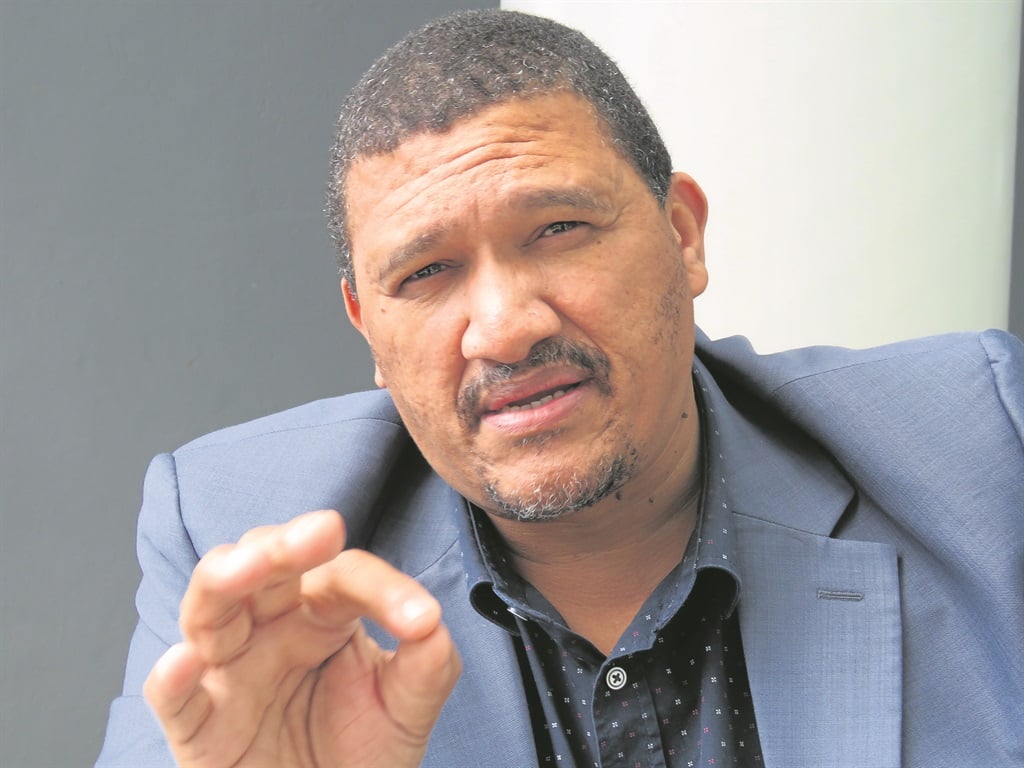
Marius Fransman
President
People’s Movement for Change


Leave a Reply